Plumbing systems are complex networks that supply water, drain waste, and vent gas in residential and commercial settings. Plumbers install and repair these systems and ensure they meet building codes and regulations. They also interact with customers to understand their needs, make recommendations, and provide cost estimates.
Experience level, geography, and the type of service affect plumber costs. Emergency services and specialized repairs, like unclogging a sewer line, can cost more than basic maintenance. Visit this website at https://jensenplumbingllc.com to learn more.
Rates
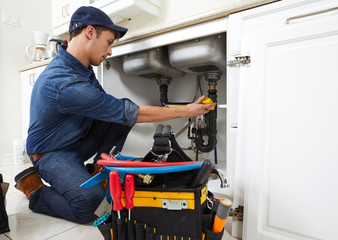
The rates a plumber charges depend on a number of factors, including location, experience level, and type of service. Emergency services and specialized repairs, like septic system installation or water heater replacement, often incur premium rates. Basic unclogging or faucet repair usually costs less.
The cost of materials is another important factor in determining how much a plumber charges. For example, choosing durable pipes like PEX or copper can save you money in the long run by reducing maintenance and replacement costs. Similarly, energy-efficient fixtures can help you cut down on utility bills.
Labor is also an important consideration. Some plumbers may charge an hourly rate, while others might offer flat rates for standard jobs. Make sure you understand the plumber’s rates before hiring them, and ask for a detailed estimate that includes all labor and materials. Also, beware of hidden fees that may add up quickly, such as travel or diagnostic charges.
Running a plumbing business requires a substantial initial investment, including licenses, equipment, and insurance. The cost of these expenses varies depending on the state and jurisdiction in which you operate, as well as the types of permits you need. You also need to consider ongoing expenses, such as training and workshops, which can range from $500 to $3,000 per year.
In addition to these costs, a plumber must pay for supplies, tools, and equipment. While these expenses can vary widely, the total cost of starting a new business is typically around $150,000.
Materials
A plumber needs a lot of tools and parts to do his job. These can add up quickly and increase the overall cost of the service. In addition, he may have to pay for gas or electricity to run his equipment. If he works in an urban area, he may also need to pay a higher rent for his space.
A plumbing license in New York can be expensive, especially if he wants to open his own business. The process requires a lot of time and money, and it can be difficult to pass the exam. Those who want to start their own plumbing company should consider investing in a franchise. This route offers a pre-established operational blueprint and a well-known brand, but it can be costly.
On average, a plumber charges an hourly rate for emergency calls. These rates can vary widely between cities. It’s important to find a plumber who is willing to work within your budget. A reliable plumber will be transparent about the costs of a repair and provide warranties for their work.
The cost of a plumber depends on the type of repair and its urgency. Some repairs require extensive diagnostics and labor, while others are relatively simple. In many cases, you can avoid high plumbing costs by performing preventative maintenance. This includes checking for clogs, leaks, and broken fixtures.
It’s a good idea to hire a professional plumber for projects that require expertise. Plumbing repairs can be very complicated and expensive, and a faulty fix can lead to even more costly problems down the line. If you’re planning to make major renovations, it’s a good idea to consult with a plumber before the project begins. A professional will be able to give you an estimate of how much the project is likely to cost and help you make informed decisions about the materials you need.
Licenses
A plumber needs to carry liability insurance that protects him in the event of a customer injury or property damage. This insurance can cover costs up to the limits of the policy, which typically ranges from $20,000 to $50,000. It also covers any legal fees that may result from a claim. The cost of this insurance depends on the size of the business and its risk. For example, a plumbing contractor with a high number of claims or a poor credit rating will pay more for this type of coverage.
A skilled plumbing pro can save you money on repair bills by providing detailed and accurate estimates before starting work. Obtain multiple quotes from local professionals and ask for a breakdown of labor, materials, and potential contingencies. Some plumbers will even offer a flat rate pricing model, which can be helpful for customers who want to know what to expect with their bill.
In addition to hourly rates, a plumber’s service charges can be affected by the complexity of the job, travel distance, and whether it’s an emergency or after-hours call. The price of materials and the cost of special equipment can also increase prices. Likewise, if you supply your own fixtures, this can lower the cost of a repair.
A plumber’s reputation can impact his ability to attract and retain clients, which can affect his overall profit. This is why it’s important to build a strong online presence and use social media to market your services. You can also invest in professional-grade tools and software to improve your performance and stand out from competitors. While this may require an initial investment of up to $15,000, it can significantly boost your profits and help you grow your business.
Insurance
Plumbing is a complicated system of pipes, fixtures and appliances that deliver water, gas and waste disposal. Plumbers install, repair and maintain these systems in residential, commercial and industrial buildings. Their expertise ensures efficient water supply and drainage while protecting the environment. They also help customers choose and install suitable fixtures for their homes or businesses. They also inspect and verify that these installations meet building codes. Plumbers may also offer emergency services to address urgent issues such as clogged drains and sewer line backups.
Some plumbers charge hourly, while others have flat rates for common repairs. When choosing a plumber, ask about their pricing structure and whether they have any hidden fees or charges. A reputable plumber will be transparent about their rates and will provide an accurate estimate for the job. You should also check if they have any discounts or special offers.
The cost of a plumber can vary significantly depending on the type and severity of the work. For example, repairing a simple leak in a faucet costs around $150, while unclogging a toilet can cost up to $485. Plumbing prices also depend on the complexity of the work and the location of the house. For example, installing a new toilet in an older brownstone may require breaking through the floor to access the pipes. On the other hand, installing a new kitchen sink in a modern home may not require any demolition.
Choosing the right plumber can save you money and hassle in the long run. To minimize plumbing costs, look for a plumber who provides free estimates and uses quality materials. Also, try to schedule non-emergency appointments during normal business hours to avoid extra charges.
Reputation
Whether you’re replacing a toilet, unclogging a drain, or installing a new kitchen faucet, it’s important to choose a plumbing company with an excellent reputation. You’ll want to find one that has a clean-cut website and uniformed plumbers. They should be polite and respectful of your home, and they should always take off their shoes before entering. They should also be punctual and clean up their work area.
A great way to judge a plumbing company’s reputation is by visiting the Better Business Bureau website and searching for businesses in your area. The BBB allows real customers to review businesses and provides a trusted ranking system based on customer feedback. This makes it easy for consumers to select a business that is reputable and trustworthy.
In addition, you should always consider whether a plumber is insured before hiring them for any project. If a plumber isn’t insured, they could cause damage to your property and leave you with even more expensive repairs. If you have any doubts, you can always check their insurance status by calling the company directly and asking for documentation.
In a city as busy as New York, plumbing problems can occur at any time. Fortunately, preventive maintenance can reduce the risk of costly repairs in the future. Regular inspections of your pipes and fixtures can detect issues like leaks, rusting, or corrosion before they become major problems. If you notice any of these problems, schedule an appointment with a plumber to address them quickly and avoid expensive damages.